Welcome back, sun-seekers, sweat-havers, and people who said "I can't wait for summer" approximately 200 times between November and March. Well. Here we are. Summer has arrived.
☀️ What Even IS Summer?
Astronomically speaking, summer begins at the summer solstice — June 20th or 21st in the Northern Hemisphere — the single longest day of the year, when the sun lingers in the sky like a houseguest who absolutely refuses to leave.
But really, summer is a feeling. It’s that specific moment when you walk out the door at 8pm and it’s still light out and something primal in you goes completely feral with joy. It’s flip flops on pavement. It’s a fan oscillating sadly in the corner of a room. It’s eating dinner outside and immediately regretting it because of the wasps.
Summer is chaos. Summer is beautiful. Summer is the season that makes the other three worth enduring.
“Rest is not idleness, and to lie sometimes on the grass under trees on a summer’s day, listening to the murmur of the water, or watching the clouds float across the sky, is by no means a waste of time.” — John Lubbock
(Permission granted. Go lie in the grass. Tell your boss John Lubbock said it was fine.)
📸 Summer in Its Full, Blinding Glory
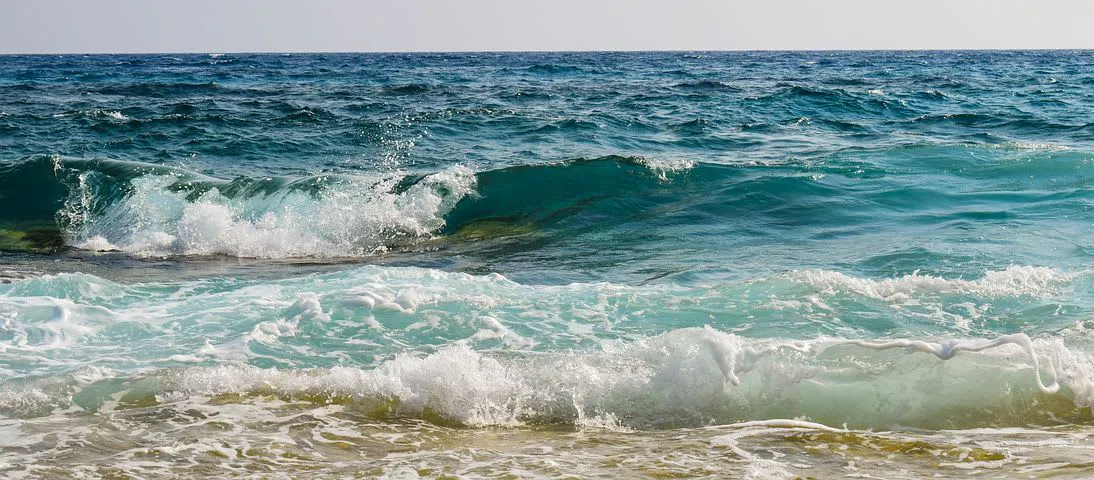
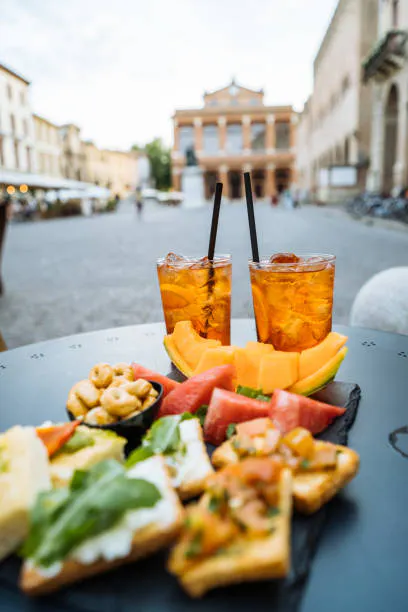
Behold the season in all its sweaty, magnificent splendour:

🎬 Your Summer Watch List
Pour yourself something cold and hit play:
📺 Watch: The Most Relaxing Beach Ambience — 4K Ocean Waves, 3 Hours
https://www.youtube.com/watch?v=q76bMs-NwRk (Öffnet in neuem Fenster)(Can’t get to a beach? We’ve got you. Close your eyes. Smell the imaginary sunscreen.)
✅ The Official Summer Checklist
Summer has expectations of you. Here they are:
Apply sunscreen. More than you think you need. Then more. We’re serious. Dermatologists didn’t go to eight years of school for you to ignore them.
Eat something outside that you would normally eat inside. It will taste 40% better. This is not placebo. This is thermodynamics. (It is placebo.)
Watch a sunset all the way through. Don’t just glance at it. Don’t photograph it after two seconds and leave. Stay. Watch the whole thing. Be a person.
Find some water and get in it. Lake, sea, river, paddling pool, garden hose. No excuses. It’s summer.
Have a conversation that lasts too long on a warm evening. The kind where you keep saying “right, I should go” and then don’t. These are among the best conversations humans have.
Complain about the heat at least twice per week. This is tradition. This is community. We’re all in this together.
Order something cold and sit with it slowly. No rush. You have nowhere to be. The evening is long. This is the whole point.
🌡️ What’s the Weather Actually Doing?
Summer weather operates in two modes and two modes only:
Mode 1: Absolutely Perfect. Warm but not sweltering, a gentle breeze, low humidity, golden light at every hour of the day. You feel like you’re living inside a Nikon advertisement. You think, this is why I’m alive.
Mode 2: Unhinged. 34°C at 9pm, the kind of humidity that makes you feel like you’re being slowly consumed by a warm, damp cloud. You lie spread-eagled on a tile floor at 2am wondering if your ceiling fan is actually doing anything or just redistributing the suffering more evenly.
There is no Mode 3. Summer does not do moderation.
The good news: even Mode 2 produces the best thunderstorms you’ll ever see. Big, dramatic, cinematic storms that clear the air and leave everything smelling like petrichor and relief. Worth it. Mostly.
🌿 Summer Facts to Dazzle Your BBQ Guests With
Science! At a barbecue! Why not.
The summer solstice has been celebrated by humans for thousands of years. Stonehenge was likely built in part to align with the midsummer sunrise. Ancient people really understood the assignment: when the sun is at its peak, you throw a party.¹
Sunflowers track the sun throughout the day — a process called heliotropism — but only when they’re young. Mature sunflowers stop moving and permanently face east, greeting the morning sun every day for the rest of their lives. Honestly inspiring.²
Thunderstorms are most common in summer afternoons because heat causes air to rise rapidly, forming towering cumulonimbus clouds. The atmosphere is, essentially, doing the same thing you do when it gets too hot: losing its composure dramatically.³
Days are longest in summer, but the hottest days come weeks later. This “seasonal lag” happens because the Earth’s oceans and land take time to absorb and release heat. The planet is slow to warm up. Relatable.⁴
🧡 A Final Word
Summer is the season that asks you to slow down. To be present. To sit still long enough that you actually notice how warm the air is, how long the light lasts, how good it feels to do absolutely nothing for an entire afternoon and call it living.
We spend so much of the year rushing — through autumn, through winter, through spring — waiting for this. And now it’s here, and it will go fast, because things always go fast when they’re good.
So here is our very sincere, weather-professional advice: don’t miss it. Go outside. Feel the sun on your face. Eat the ice cream before it melts. Stay out a little too late. Let a warm evening turn into a warm night.
Summer doesn’t wait. But it does linger, just a little, if you let it.
— The Better Weather Team ☀️
Enjoying Better Weather? Forward this to a friend who needs more sunshine in their inbox. [Subscribe here.]
Footnotes:
¹ Midsummer celebrations exist across virtually every culture that experiences seasons — from Scandinavia’s Midsommar to Ancient Egypt’s alignment of temples with the solstice sun. Humans have always understood that the longest day deserves recognition. And usually, mead.
² Young sunflowers complete one full east-to-west arc per day, driven by differential growth hormones on each side of the stem. Once mature and woody, they stop — permanently eastward-facing. Scientists aren’t entirely sure why. Some things are just poetic.
³ The US alone sees roughly 100,000 thunderstorms per year, of which about 10% are classified as “severe.” Lightning strikes Earth approximately 100 times per second. The sky is basically always angry somewhere. We find this comforting for some reason.
⁴ The hottest stretch of summer in the Northern Hemisphere typically falls in late July to early August — weeks after the solstice. Ancient Romans called this period the “dies caniculares,” or Dog Days, named after Sirius, the Dog Star, which rises with the sun during this time. They blamed the star for the heat. The star had nothing to do with it. The Romans were wrong but the name stuck.
Datum
27.07.2025
1 Kommentar
Möchtest du die Kommentare sehen?
Werde Mitglied von Better Weather und diskutiere mit.

